Ibiza in Four Days: Dalt Vila, the Beaches and the Sunsets
Four days on the Balearic Island people only think about for the clubs — the medieval old town, the quiet north coast, and the famous sunsets at Café del Mar.
📍 Ibiza, Spain
Ibiza has, for the last 40 years, been almost universally associated with one thing: the great superclubs (Pacha, Amnesia, Privilege, Hï Ibiza, Ushuaïa), the international DJ residencies, the millionaires’ yachts, and the hedonistic beach-club culture that grew up alongside them. All of that is real. But the island also has, sitting just behind the club culture, an entire other Ibiza that almost no nightlife visitor ever notices: a UNESCO-listed medieval walled old town (Dalt Vila), a network of quiet north-coast beaches and bays that look more like the Cyclades than a party island, a respected food culture that has emerged in the last decade (with several Michelin stars and a thriving farm-to-table scene), and the long-standing bohemian community that Ibiza has hosted since the 1960s. Four days lets you do both — a couple of days for the calmer parts of the island, an evening for the famous sunset, and as much or as little of the club scene as you want.

The setup
Fly into Ibiza (15 minutes from Eivissa town by bus or taxi). Hire a car at the airport — public transport on the island is limited and the north coast is impossible to reach without one. Stay in or near Eivissa town (the capital, on the south-east coast, with the historic Dalt Vila and the marina) for the central two nights, then move north to Sant Joan or Portinatx for the next two if you want to escape the buzz of the south coast.
Day one: Dalt Vila
Eivissa town (also called Ibiza Town) sits on the south-east coast and is dominated by Dalt Vila — the medieval walled upper town, perched on a hill above the harbour, surrounded by 16th-century Renaissance fortifications, and crowned by the cathedral and the small castle. UNESCO listed since 1999, Dalt Vila is one of the best-preserved Mediterranean fortified old towns and the cultural anchor of the whole island.

Walk up through the Portal de ses Taules — the great gateway in the south wall, with two Roman statues flanking it — and climb the streets of Dalt Vila. The streets are steep, white-washed, narrow, and almost entirely free of tourist commerce above the lower level. The cathedral at the top (mostly Gothic, with later Baroque additions) is small and beautifully proportioned, and the platform around it gives you a panoramic view of the harbour, the marina, and on a clear day Formentera (the smaller Balearic island just to the south).
The Madina Yabisa interpretation centre, halfway up the climb, is a small free museum that walks you through the Moorish-era history of the city. The Archaeological Museum of Ibiza and Formentera, on the cathedral square at the top, is small but excellent — Phoenician artefacts, Carthaginian funerary masks, Roman ceramics. Allow two hours for the climb and the museums.
For lunch, eat at one of the small restaurants on the descent — Mar a Vila, La Brasa, or any of the bistros along Calle de Sa Carrossa.
Day one evening: the marina and a slower night
Walk along the marina at the foot of Dalt Vila in the early evening. The mid-range restaurants on the marina front are touristy; the better choice is to walk into the Sa Penya neighbourhood (the old fishermen’s quarter on the far side of the marina) for a quieter dinner.
Eat at La Bodega (a tiny local taverna) or any of the small bars in Sa Penya. Then a long walk along the harbourfront. Ibiza Town in the early evening is one of the loveliest evening walks in the Balearics.
Day two: the calas of the north
Drive north. The north coast of Ibiza is significantly less developed than the south and is full of small calas (rocky coves) backed by pine forest. The road from Eivissa to Sant Joan winds inland through farmland and small white-washed villages; from Sant Joan, smaller roads drop down to the coast at various beaches.
Cala Xarraca, Cala Xuclar, and Cala d’en Serra are three small calas in the far north — all reached down narrow roads, all with a single beach restaurant at the bottom, all with crystal-clear water and almost no infrastructure. Pick one and spend a half-day. Eat lunch at the beach restaurant. Swim. Read.
Or go to Benirràs, the famously bohemian beach on the north coast, where the long-standing tradition is for drumming circles every Sunday evening. The beach is wider, slightly more developed (still small by south-coast standards), and the sunset over the offshore rock formation is spectacular. The hippie market at Las Dalias (a few minutes inland) runs every Saturday and is the better-preserved of the island’s two famous hippie markets.
Day three: a day in the south-west and the sunset
Drive across the island to the south-west coast. The famous Cala d’Hort beach faces the rocky islet of Es Vedrà, a 380-metre-tall limestone island that legend says is one of the most magnetic places on Earth. Whether or not the magnetism is real, the silhouette of the island at sunset, seen from the beach or from the clifftop above, is one of the iconic Ibiza images. Have a long lunch at one of the cliff restaurants (El Carmen, Es Boldadó).
In the late afternoon, drive north along the west coast to San Antonio (Sant Antoni de Portmany). San Antonio has, for better and worse, become synonymous with the cheaper end of Ibiza nightlife — but the famous Café del Mar (and its neighbours Café Mambo, Savannah, Mint Lounge) on the rocks just north of San Antonio harbour have, since the 1980s, been the spiritual home of the Ibiza sunset.

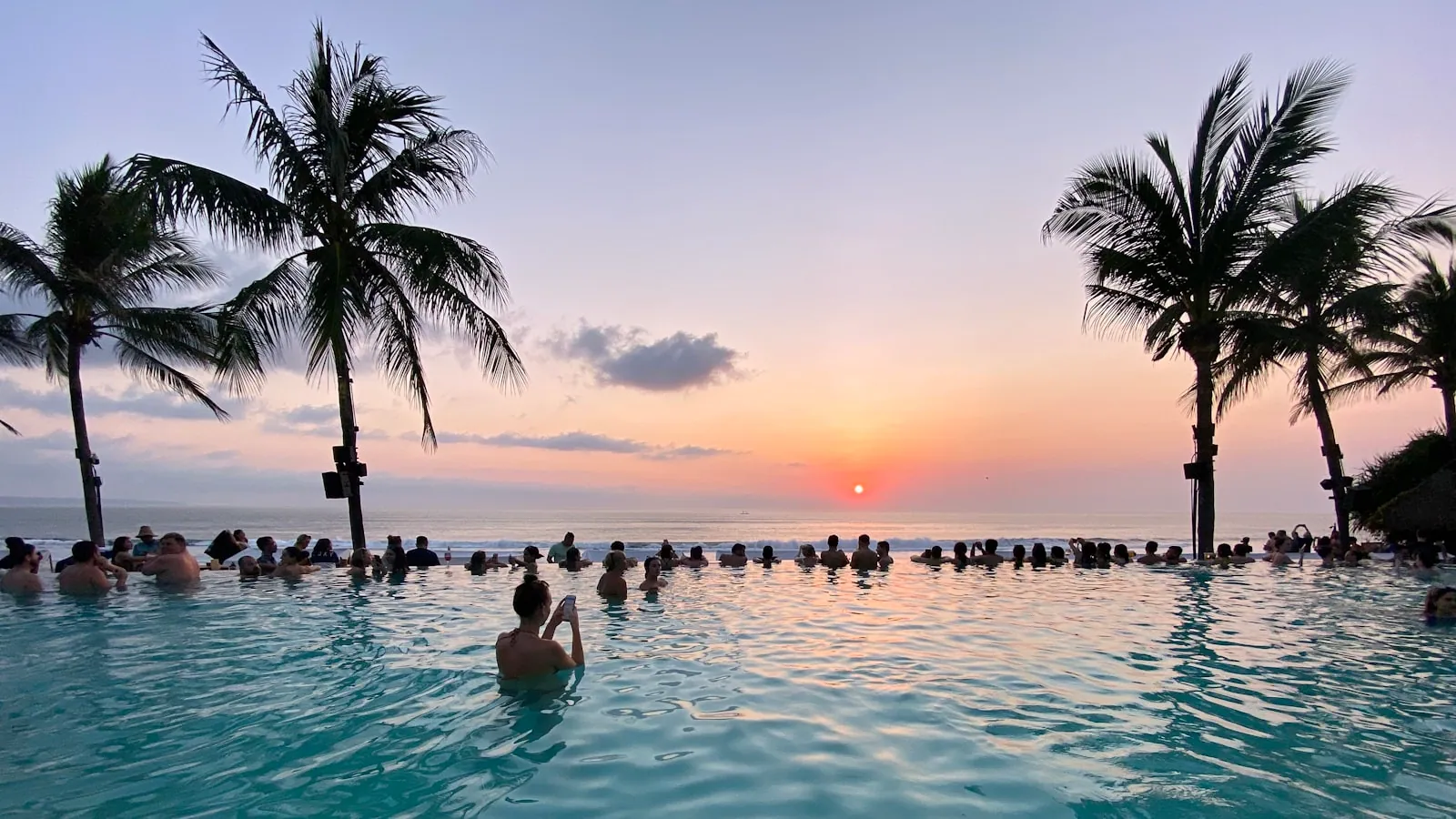
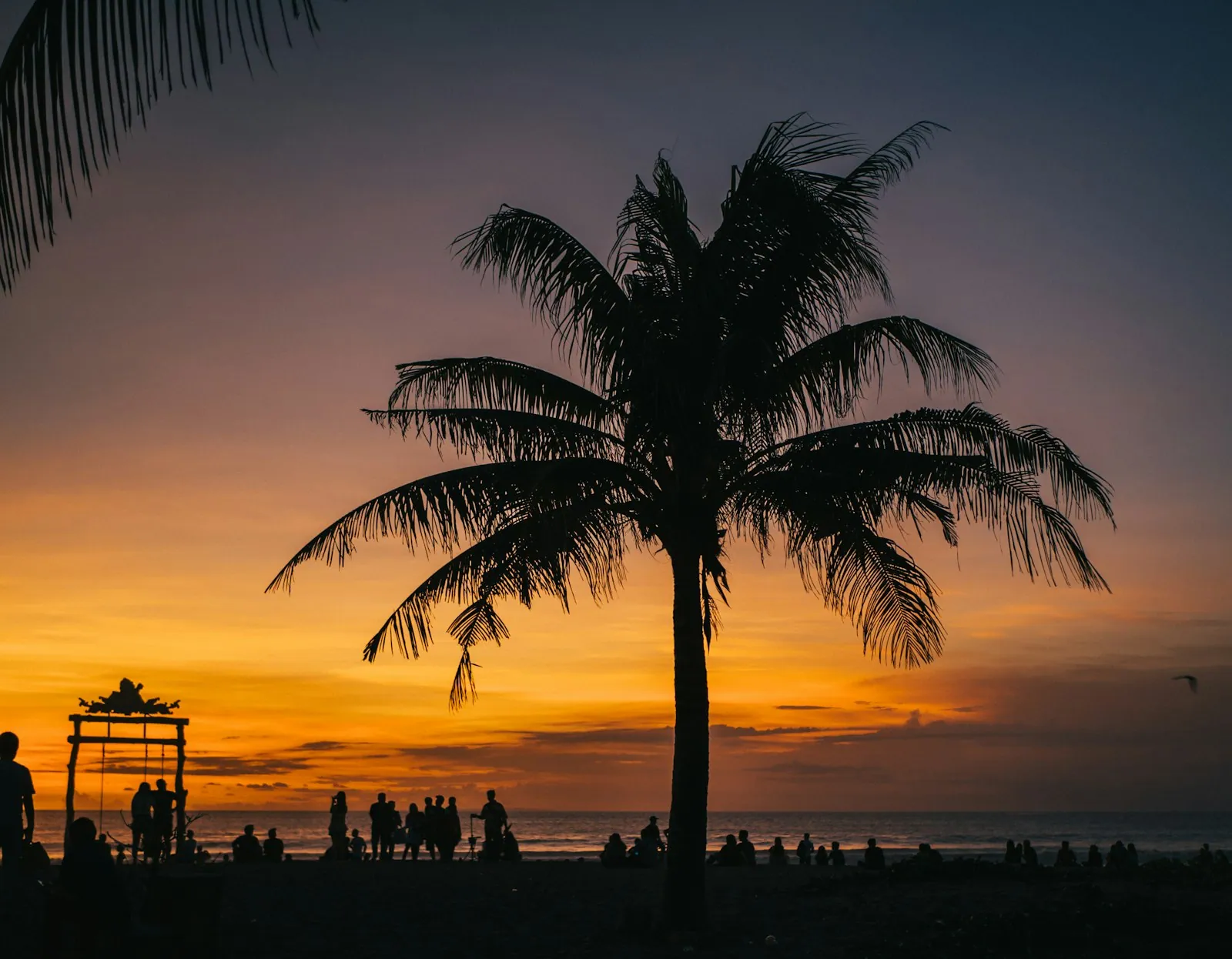
Get to one of the bars an hour before sunset (around 8 p.m. in summer) for a seat on the rocks or a cushion on the terrace. Order a drink. Wait. The DJs at the original Café del Mar invented the chill-out genre in the 1990s by mixing soundtracks for these sunsets, and the tradition continues — soft electronic music, the sun dropping into the sea over the offshore islets, the colours going through the full peach-pink-purple-indigo sequence. Cheesy in description; genuinely beautiful in person.

Eat a late dinner in San Antonio after the sunset, or drive back to Eivissa for one of the marina restaurants.
Day four: a slow last day, a club night optional
Day four is a choice. If clubbing is your thing, this is the night for one of the great Ibiza clubs. Pacha (in Eivissa, the original — opened 1973 — with its famous double-cherries logo), Hï Ibiza (the newer destination superclub at Playa d’en Bossa), Amnesia (in San Rafael, with its famous Cocoon nights), or Privilege (officially the largest club in the world, in San Rafael) are the canonical names. Tickets €40–80, drinks €15+. The clubs run from midnight to 6 a.m.; the locals don’t arrive until 1 a.m. at the earliest.
If clubbing isn’t your thing, spend the day at one of the calmer beaches — Cala Bassa or Cala Comte on the west, or Es Cavallet on the south — and have a long, slow Mediterranean dinner at one of the destination restaurants. La Paloma (the famous bohemian-Mediterranean restaurant in San Lorenzo, set in a citrus garden), Sa Capella (in San Antonio, in a converted chapel), or Es Tragón (one Michelin star, near Sant Antoni) are all worth the booking.
End with one final sunset somewhere — Es Cavallet beach is quieter than the San Antonio scene and just as lovely.
How nice are Ibicencos?
Mediterranean-laid-back. The locals are used to international visitors, polished, and warm. The bohemian community that arrived in the 1960s and never left contributes to a slightly slower, more open social culture than you’d expect from a major tourism economy. My four days included: a Dalt Vila restaurant owner walk me to the right small archaeological museum after I’d asked; a north-coast beach restaurant manager refuse to charge me for a glass of water “because the day is hot, take it”; and a club’s door manager spend three minutes patiently explaining the dress code rules to a confused first-timer in front of me. Ibiza’s warmth is real. The islanders are working hard at the season — be polite back.
If you go
• Hire a car. Without one, the north coast is closed to you. • Don’t go in August unless you have to. The whole island is at maximum capacity and prices are absurd. June, September, and October are perfect. • Book club tickets and good restaurants in advance. • Sunset at Café del Mar is touristy. Embrace it. • Visit the hippie market at Las Dalias on Saturday for the bohemian Ibiza side of the island.
Ibiza is more than the clubs. Four days here will give you a UNESCO old town, a coast of beautiful calas, a sunset that doesn’t need any help to be famous, and as much or as little of the nightlife as you want. You leave with a slightly different mental image of the island than you arrived with.
Plan your trip to Spain
For more, see our Spain travel guide and country page, places to visit in Spain on BugBitten, tours and experiences in Spain.
Useful external resources: the Spain country profile on Wikipedia and the official Spain tourism portal.