Uluwatu, Bali: Clifftop Temple, Kecak Fire Dance and World-Class Surf
Two days at the southern tip of Bali — sea cliffs, monkeys with attitude, and the most theatrical sunset on the island.
📍 Uluwatu, Bali, Indonesia
Uluwatu sits at the very southern tip of Bali, on a peninsula called the Bukit, where the island gives up being Hindu farmland and becomes a stretch of arid limestone cliffs hanging directly over the Indian Ocean. The first time you stand at the edge — anywhere along the rim road, but particularly at the cliff temple itself — and look down a hundred metres at surf detonating against rock, you understand why this corner of the island has held a separate place in Balinese imagination for a thousand years. It feels like the edge of something. The Balinese, who built one of their six great sea temples right here, knew it.
Two days is enough to do Uluwatu well. You can stay longer — the surf and the beach culture are world-class — but two days will give you the essentials. Day one: temple, fire dance, the surf coast. Day two: a hidden beach and a long sunset.

Getting there
Uluwatu is forty-five minutes south of Seminyak by car or scooter, depending on traffic. Most travellers either base in Uluwatu town for a few days or visit on a long day trip. If you’re staying, the area around Suluban and Bingin has a good range of small surf villas and boutique stays; Padang Padang has a few mid-range hotels.
Day one: the cliff temple at sunset
The single most important thing in Uluwatu, and indeed one of the most extraordinary places in Bali, is Pura Luhur Uluwatu — the cliff temple. Built between the 9th and 11th centuries on a limestone promontory at the western end of the peninsula, the temple sits at the very edge of a 70-metre vertical drop, looking directly west across the Indian Ocean. Sunset here is the headline event of the Bukit. Get there an hour before — by 5 p.m. for a 6 p.m. sunset.

You pay the entry fee (about $4), the staff hand you a sarong and a sash if you’re not wearing one, and you walk a paved path along the cliff edge to the temple complex. The path itself is the experience. Long-tailed macaques live in the temple gardens — and they are not the polite Ubud Monkey Forest macaques. The Uluwatu monkeys have a reputation for stealing sunglasses, hats, water bottles, anything loose. The temple staff sell small bags of fruit which you can trade back to the monkeys for stolen items, but the easier strategy is: take nothing loose. Tuck your sunglasses into a closed bag. Don’t carry a hat. Hold your phone tightly. I had been warned. I tucked my sunglasses into my pocket. I lost a bottle of water within fifteen minutes anyway.
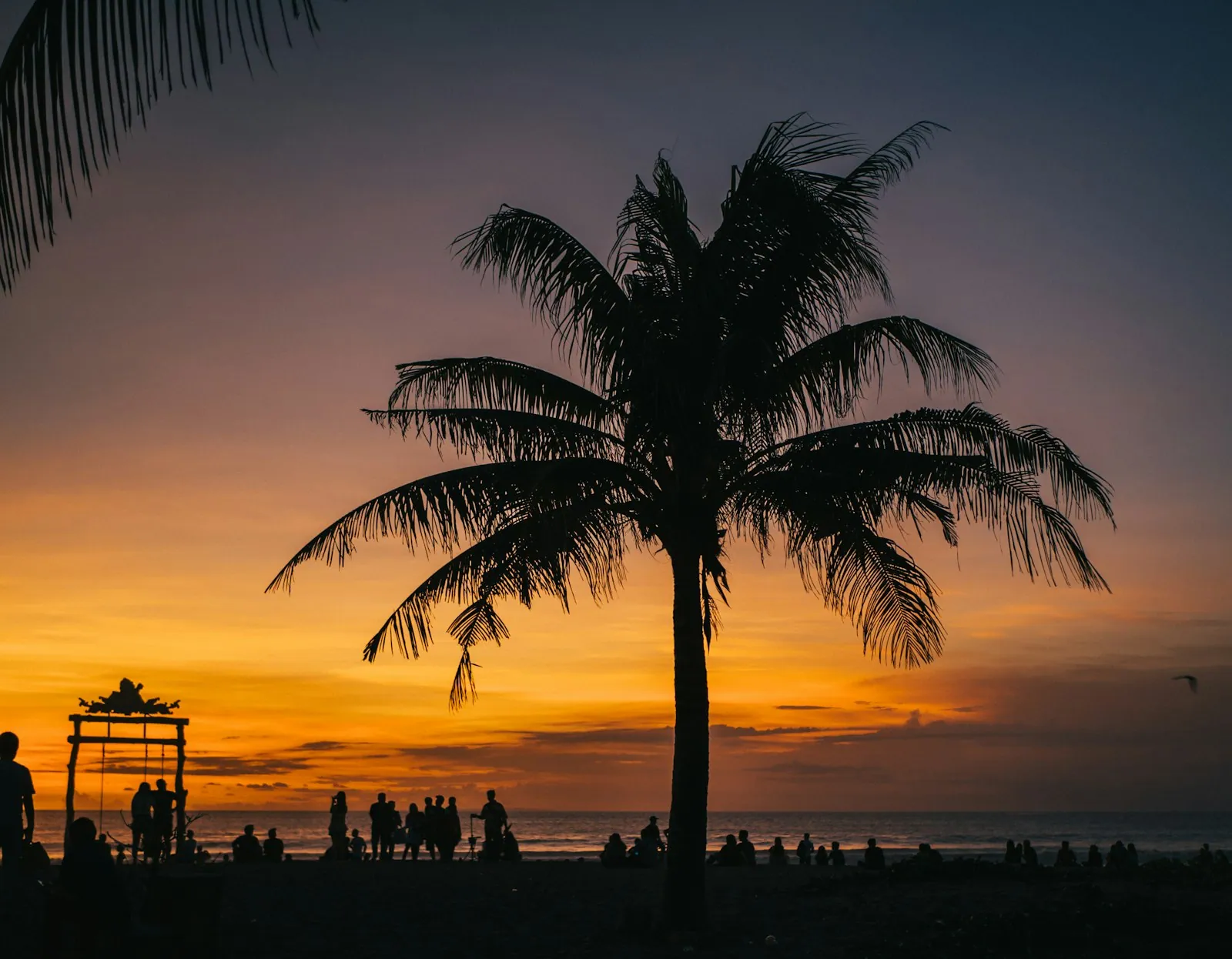
The temple itself sits at the highest point of the cliff. You can’t enter the inner sanctum — it’s active and reserved for worshippers — but you can walk along the cliff edge in either direction, and the views back at the temple silhouetted against the sky as the sun drops are why the place is famous. People line the cliff in respectful silence. The Indian Ocean, sixty metres below, becomes a sheet of beaten gold. The sun touches the horizon. The clifftop applause when the sun finally drops is awkward and lovely and earned.
Day one evening: the Kecak fire dance
After sunset, walk to the small open-air amphitheatre on the temple grounds. The Kecak Fire Dance starts at 6 p.m. nightly, costs about $10, and is one of the great Balinese cultural performances. A chorus of seventy bare-chested men sit in concentric circles around a fire and chant a single rhythmic “cak-cak-cak” for an hour while the dancers — masked figures from the Ramayana — perform a condensed version of the epic in the firelight. There is no music; the chanting IS the music. Halfway through, a fire-walking monkey-king character appears and leaps through a fire in his bare feet. It is properly thrilling.

Get there early to get a good seat — the front three rows are the best, and the dance plays out into the audience. The performance ends at sunset’s afterglow. You walk out into the cool evening air, slightly dazed, and look for a tuk-tuk back to dinner.
Day two: the surf coast and a hidden beach
Day two is for the Bukit beaches. The Uluwatu coast is a chain of small, near-inaccessible beaches tucked at the bottom of the cliffs — Padang Padang, Bingin, Dreamland, Suluban, Nyang Nyang. Each requires a different approach: stairs cut into the rock, a goat track, a $2 entry fee, a slot through a sea cave. Each is, in its own way, jaw-dropping.
Padang Padang Beach is the most famous (and the most photographed). You park at the top of the cliff, descend through a narrow stone slot in the rocks (literally — at one point you turn sideways), and emerge onto a small white-sand cove at the base of a cliff. There are warungs on the sand, surfboards for hire, and the famous Padang Padang surf break offshore (one of the best lefts in the world, although it’s for advanced surfers only).
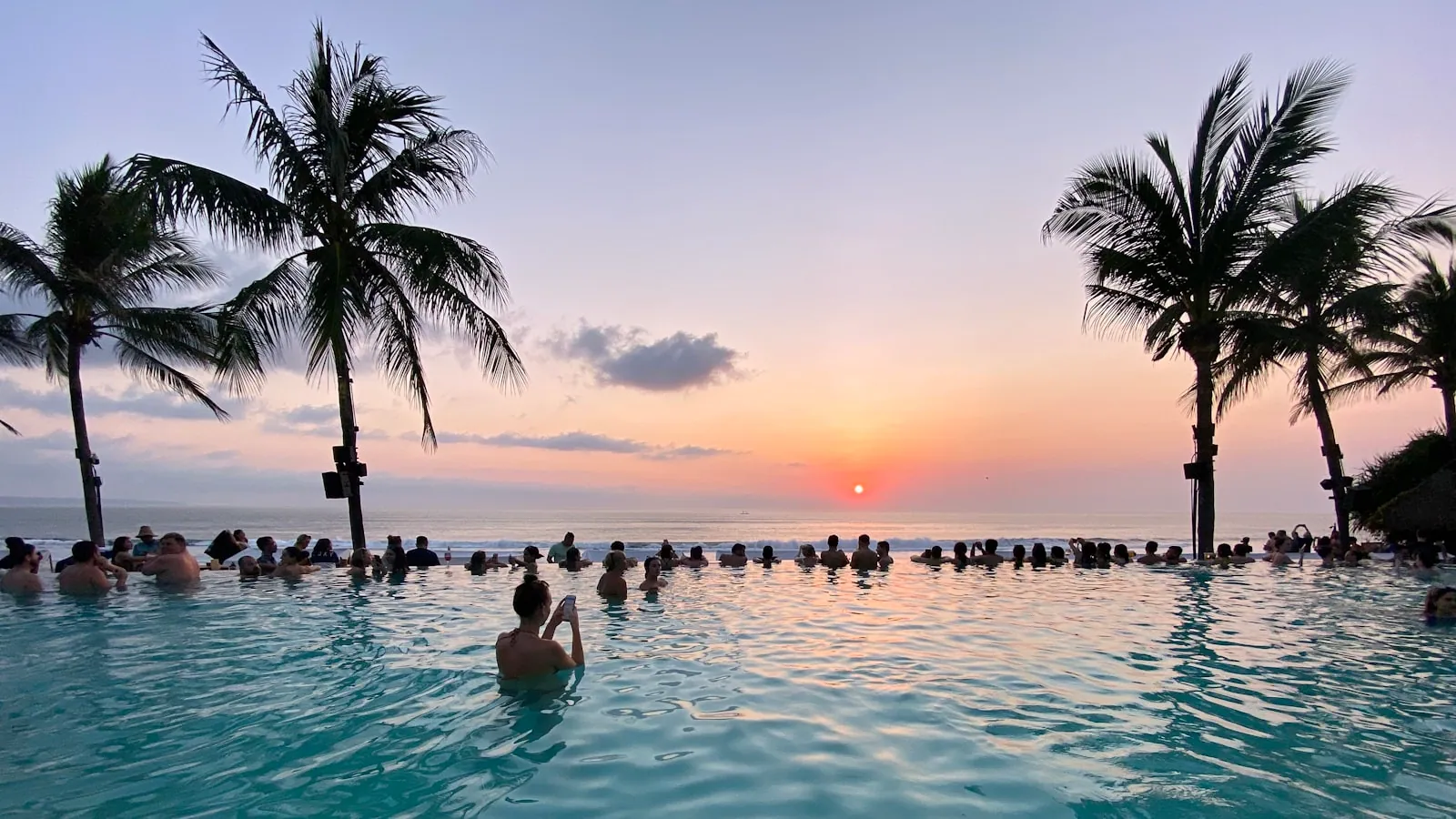
Suluban Beach is hidden inside a sea cave at the base of the cliffs at Uluwatu town. You walk down a maze of stairs through a complex of warungs and hostels, pop out into the cave, and emerge onto a tiny stretch of sand only visible at low tide. The famous Single Fin bar at the top of the cliff — three storeys of open-air decks looking down over Suluban and the surf break — is the must-do sundowner spot in the Uluwatu area. Sunday-night sessions at Single Fin draw the long-stay surf community for live music and a quiet roar that you can hear from a kilometre away.
Bingin Beach, twenty minutes around the headland, is harder to reach (more stairs) and less crowded. The waves break over a flat reef in clear water and there’s a row of warungs along the back beach selling fresh fish, satay, and ice-cold Bintang. I spent a whole afternoon at Bingin doing nothing in particular and have not stopped recommending it since.
Day two sunset: a quiet finish
For a quieter sunset on day two, skip the temple crowds and go to the Karang Boma cliffs, ten minutes east of Uluwatu town. A short scooter ride down a dirt track brings you to an unmarked carpark on top of the cliff with no fences, no warungs, no anyone. The view is the same kind of Bukit cliff view as the temple, but you’re alone with it. Sit on the grass. Watch the sun do its thing. Drive carefully back in the dark.
How nice are people in Uluwatu?
Lovely, in a slightly more weather-beaten, surfer-friendly way than Ubud or Seminyak. The Bukit has a longer relationship with international travellers, but it’s still a Balinese community at its heart. My two days included: a temple staff member quietly pointing out where the alpha male macaque sat (so I could give him a wide berth); a warung lady at Bingin who let me leave my dry bag at her stall while I went swimming; and a surf school instructor who lent me his rashguard for free on a sunburn day. Bali’s consistency on this front is one of the great quiet joys of being there.
If you go
• Cover up at the temple — sarongs are loaned at the entrance. • Watch the monkeys. Hold things tightly. Don’t engage. • Buy your Kecak ticket on arrival, not in advance. Seats are general admission and you’ll want to pick your row. • Use a scooter if you’re comfortable; otherwise hire a driver for the day at around $35. • Don’t paddle out at any of the Bukit surf breaks unless you’re an experienced surfer. The waves are powerful, the reefs are sharp, and the line-ups are local.
Uluwatu is the dramatic edge of Bali — the bit where the island gets serious and beautiful at the same time. The temple at sunset, the Kecak fire dance, the cliff-bottom beaches, the surf — all of it adds up to a corner of the island that does not feel like the rest of it. Two days. You will not forget.
Plan your trip to Indonesia
For more, see our Indonesia travel guide and country page, places to visit in Indonesia on BugBitten, tours and experiences in Indonesia.
Useful external resources: the Indonesia country profile on Wikipedia and the official Indonesia tourism site.