

About this tour
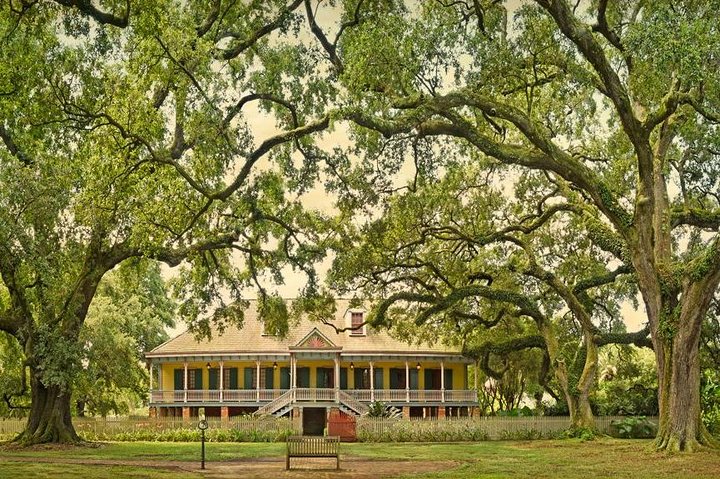
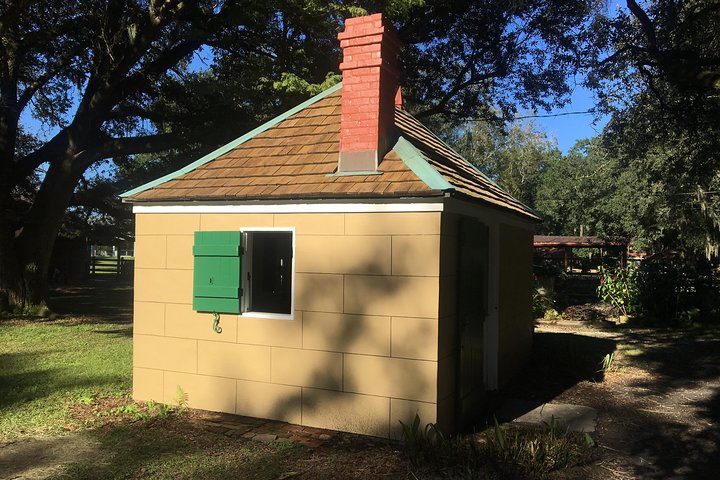
When Mia from our BugBitten team ran this tour, we got a straight look at Louisiana's plantation history through the lens of the enslaved West Africans whose labour built the colony. Laura Plantation, established in 1805, started with seven enslaved people and grew to 186 by the Civil War. Four original slave cabins from the 1840s still stand, and the tour walks you through their stories — the people who stayed after emancipation in 1866, and the descendants who live nearby today. You'll travel in an air-conditioned vehicle for the full 6.5 hours, which gives breathing room to absorb a weighty, important chapter of American history.
Highlights
- Four original slave cabins from the 1840s, still standing on the property
- Creole cultural legacy visible in language, food, music, and architecture today
- Stories of West African skilled workers who shaped Louisiana's early development
- Post-emancipation history — former enslaved people who remained in the quarters
- Descendants of plantation workers still live in the area, keeping history alive
- Air-conditioned transport means you're not sweating through heavy subject matter
- Suitable for all fitness levels; strollers and prams welcome for families
What to expect
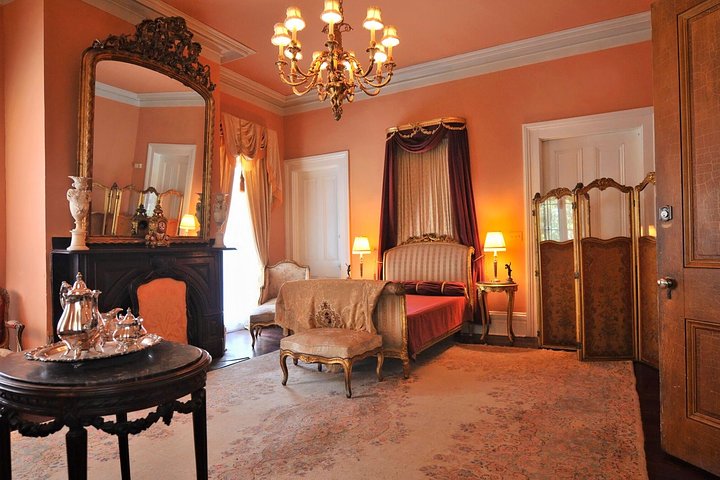
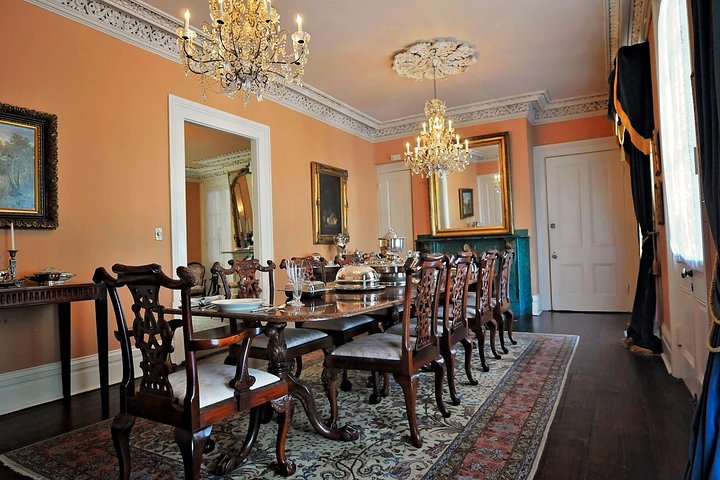
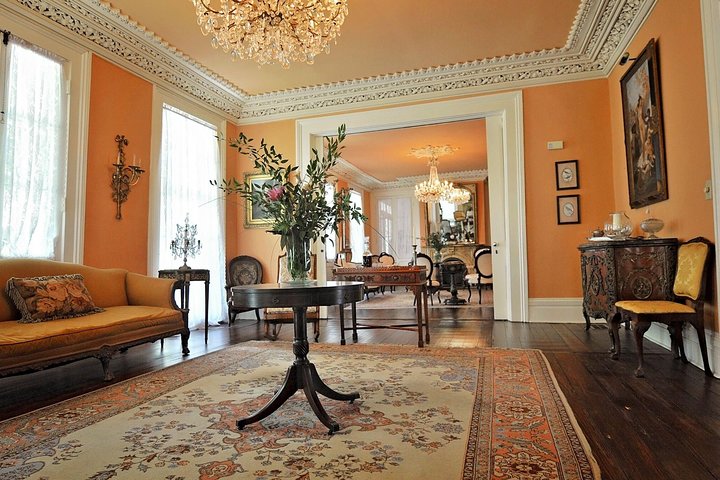
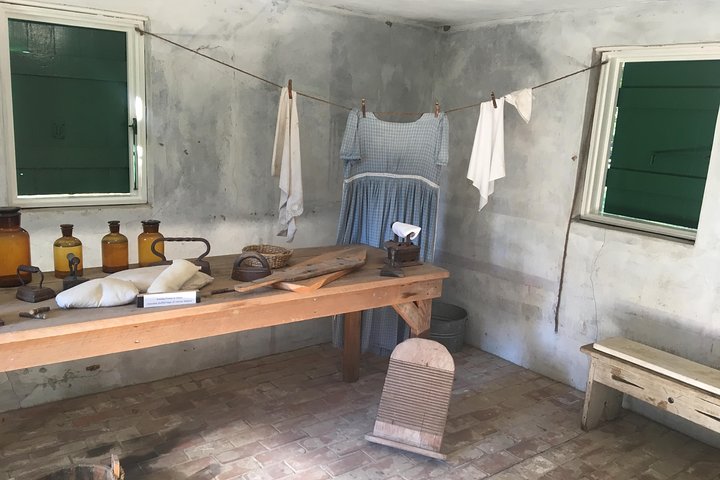
This isn't a glossy antebellum romance tour. Mia found the focus sits squarely on the West African people enslaved here — their skills in agriculture and construction, their influence on Creole culture, and their lives after emancipation. You'll spend time at the actual cabins where families lived, then learn how those same quarters were occupied by cypress lumber workers from 1895 until 1977. The plantation itself is a working historical site with its own architecture and grounds to see, but the real substance is in understanding who built Louisiana and what happened to them afterwards.
The 6.5-hour window includes transport time in a cool vehicle, which matters given Louisiana's heat and humidity. You're looking at a reflective, education-forward experience rather than a rushed tick-box heritage site visit. Co-travellers are asked to keep quiet during transit as a courtesy — it sets a respectful tone for the subject.
What travellers say
- West African and emancipation-focused narrative, not plantation mythology
- Original 1840s slave cabins preserved and interpreted with depth
- Creole cultural legacy explained through real architecture and tradition
- Air-conditioned transport for Louisiana's brutal heat
- Descendant families still rooted nearby—living continuity of the story
- Heavy subject matter requires emotional and mental energy
- Louisiana heat and humidity mean outdoor walking despite transport
- No details on group size, guide expertise, or catering provided
Themes summarised by our team from public information about this tour. Verify specifics on the operator's page before booking.
Good to know
This tour does what many plantation tours dodge — it centres enslaved and formerly enslaved people as the real subjects, not footnotes. If you want to understand how West African labour and culture shaped the American South, and what freedom looked like in 1866 onwards, this is honest ground. Families with young kids can bring prams; it's accessible for most fitness levels.
Louisiana heat and humidity are intense, especially in summer — the air-conditioned vehicle helps, but you will walk outdoors. The subject matter is heavy; this isn't a cheerful day out. There's no mention of catering, so pack water and snacks. Group size and exact guide quality aren't specified. Peak season can bring crowds. Budget the full 6.5 hours; you can't rush this.
Tour sold and operated by Viator via Viator. Descriptions on this page are original BugBitten summaries written by our team — not copied from the operator. Prices and availability are confirmed at checkout.