

About this tour
When Em from our team did this 3-hour walking tour around Odawara Castle, we got a solid grounding in samurai and ninja history without the Tokyo crowds. The tour anchors on the castle itself—a major power base during the Sengoku Period—then threads through the surrounding town, hitting a local shrine, craft shops, and museums along the way. Odawara sits just south of Tokyo between the Pacific and Hakone mountains, so the setting feels genuinely tied to Japan's feudal past rather than a theme-park version. It's walkable, accessible by train, and gives you real context for the architecture and local culture that still lingers here.
Highlights
- Castle grounds reveal architecture and defensive design of samurai era
- Ninja Museum and Samurai Museum entries included—no extra ticket surprises
- Local shrine visit grounds the spiritual side of feudal Japan
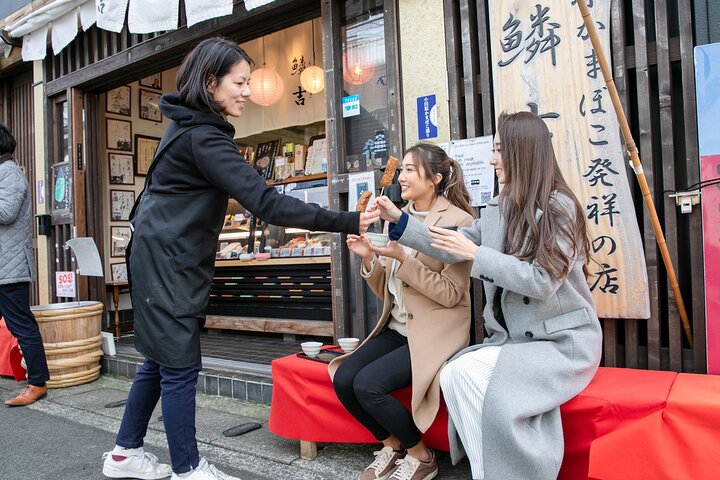
- Craft shops and town exploration feel authentic, not staged
- Moderate fitness level sufficient—no scrambling or steep climbs
- Close enough to Tokyo for a day trip, far enough to feel genuine
- Guide context on Sengoku Period power structures and regional rule
What to expect
You'll start at Odawara Castle and work outward through the town on foot. Em found the pace manageable—plenty of pauses for the guide to explain castle architecture, the role of samurai families in this region, and the ninja lore that clings to Japanese history. The Ninja Museum and Samurai Museum are stops where you actually go inside; tickets are sorted, so no faffing at counters. There's a shrine visit tucked in that shifts the tone from military history to spiritual practice. The town itself is a mix of old streets and modern shops, which can feel a bit disjointed, but the guide ties it together by pointing out which bits connect to the samurai era and which traditions locals still observe.
Walking is steady rather than strenuous. You're covering the historic pocket of town, so distances are compact. The real pace varies depending on how much the guide expands on particular spots—samurai buffs will get more out of this than casual visitors.
What travellers say
- Castle and museums in one affordable package—no juggling separate tickets
- Compact, walkable layout suits three-hour timeframe without rushing
- Guide context on Sengoku Period and regional power dynamics
- Shrine visit adds spiritual dimension beyond military history
- Easy rail access from Tokyo for a proper half-day excursion
- Local craft shops offer genuine goods, not mass-market souvenirs
- Modern town development breaks historical atmosphere in patches
- Food costs add up fast if you're hungry for three hours
- Moderate fitness requirement excludes less mobile travellers
- Ninja Museum can feel tourist-focused compared to local significance
Themes summarised by our team from public information about this tour. Verify specifics on the operator's page before booking.
Good to know
If you want samurai and ninja history without a full day in Tokyo's crowded museums, this hits the mark. Small-group feel means the guide actually engages rather than hectoring. Museum entries are bundled in, which saves time and hassle. Odawara's coastal-mountain setting is genuinely pretty, and the town has real craft shops rather than tourist tat, so you can grab decent local goods if you want them. Perfect for a day trip from Tokyo.
You'll be on your feet for three hours, so comfy shoes matter. Food isn't included—you'll need to budget for lunch or snacks at local spots, which is fine but not surprising. The town's modern bits do jar against the historic narrative, and some visitors find the ninja angle gets oversold relative to actual local history. Moderate fitness is genuinely required; if you struggle with walking or have mobility issues, check the terrain beforehand. Peak times (weekends, school holidays) can bunch groups together.
Tour sold and operated by Viator via Viator. Descriptions on this page are original BugBitten summaries written by our team — not copied from the operator. Prices and availability are confirmed at checkout.