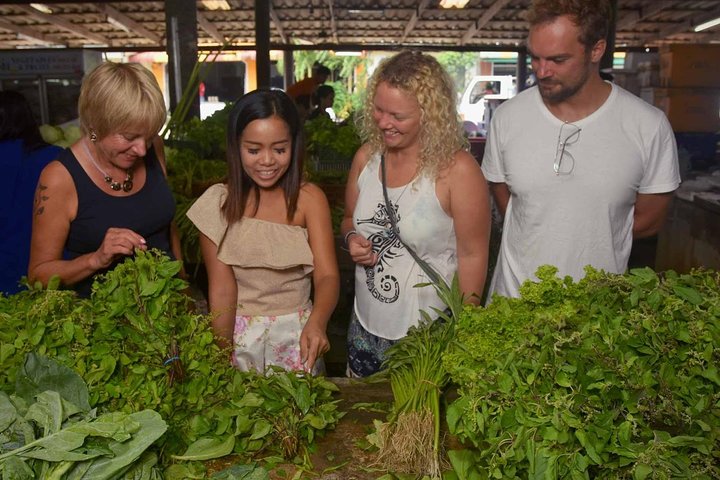
Cooking Class by Samui Native Instructor Geng and O Family
4 hours
From AUD 111.17
Phu Khieo sits in the hills of Chaiyaphum Province, roughly four hours northeast of Bangkok, and arriving here feels genuinely different from Thailand's more accessible birding circuits. The sanctuary protects a sweeping mosaic of dry dipterocarp forest, pine-oak woodland, and dense evergreen patches along stream corridors — and it's this variety of habitats compressed into one landscape that makes the birding so rewarding.
You'll need a permit from the Department of National Parks before entering, so sort that in advance rather than turning up and hoping for the best.
Dawn is everything here. The forest tracks along the lower stream valleys are where you'll want to be as first light filters through the canopy, listening for the sharp whistles that might betray a Rusty-naped Pitta working through leaf litter on the slope. Blyth's Kingfisher haunts the rocky, fast-moving streams — patient, quiet scanning pays off better than crashing through undergrowth.
Sultan Tit moves through the mid-storey in small, vocal parties, usually easier to hear before you see it, while Giant Nuthatch is best sought on the mature pines where it creeps down bark with an almost comical boldness.
Access into the sanctuary interior requires a local guide, and this is genuinely worthwhile rather than a bureaucratic inconvenience — the track network is confusing and a knowledgeable ranger-guide dramatically improves your chances with the pittas especially. Accommodation is basic: sanctuary bungalows are functional but no more, so bring your own food supplies or arrange meals through the visitor centre staff.
Visit between November and February for the clearest skies, most active birds, and manageable temperatures; rubber boots, a good head torch, and insect repellent are non-negotiable.